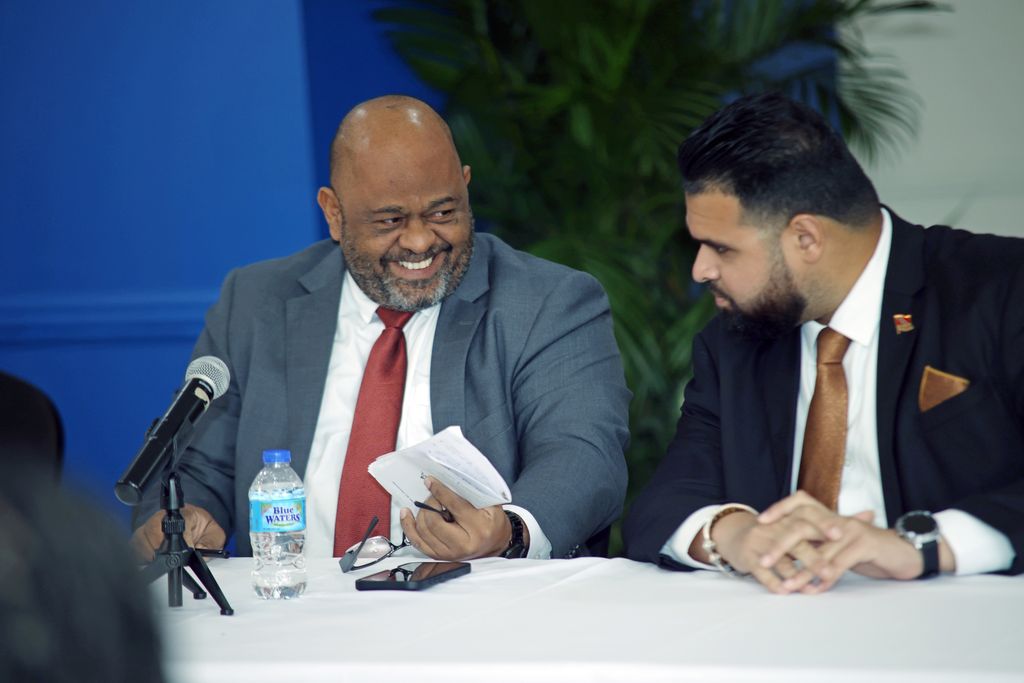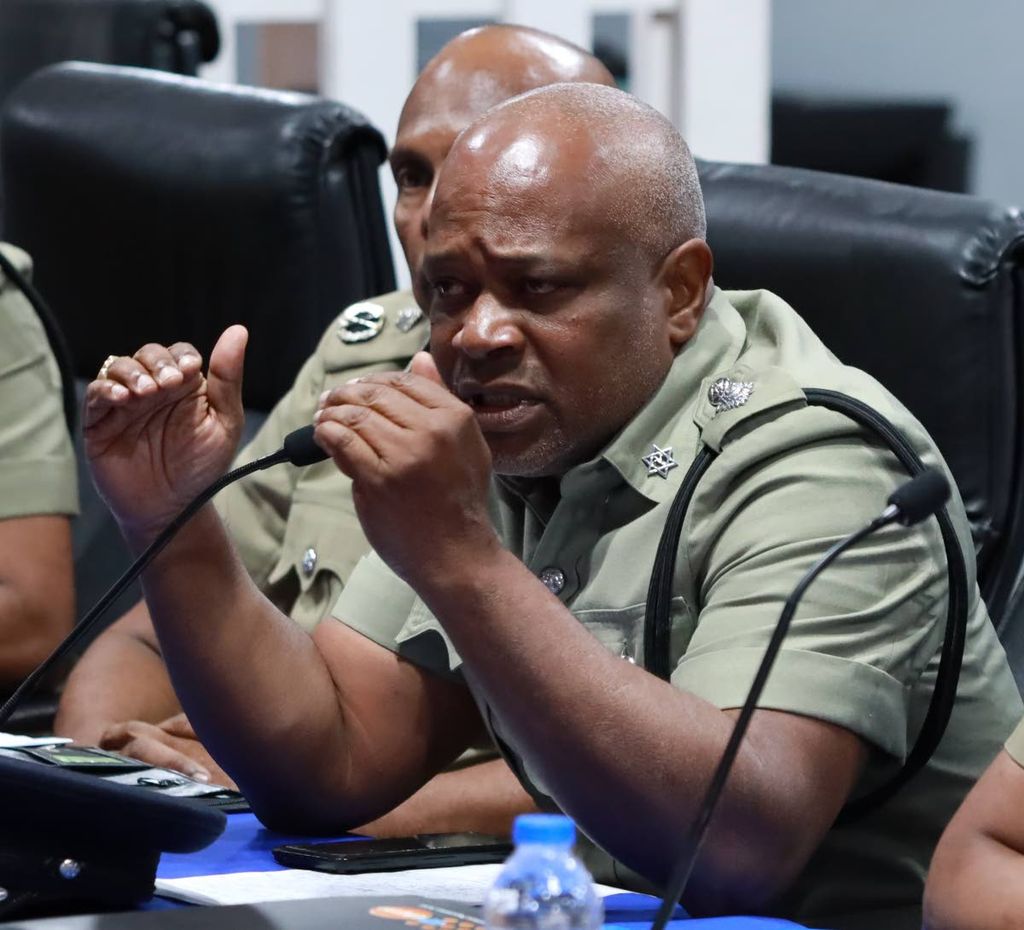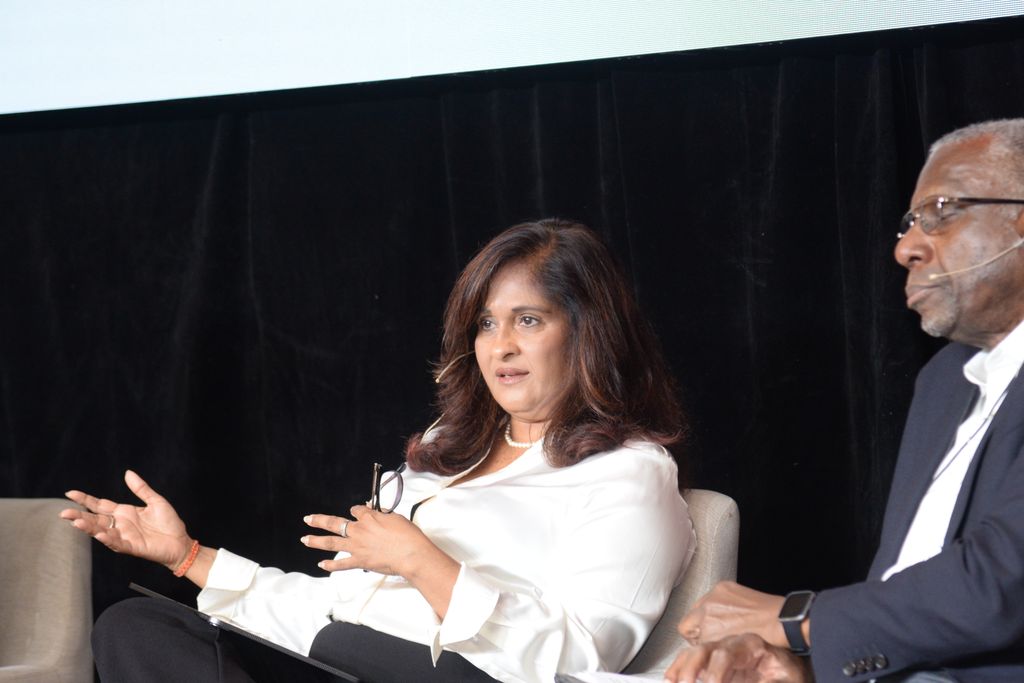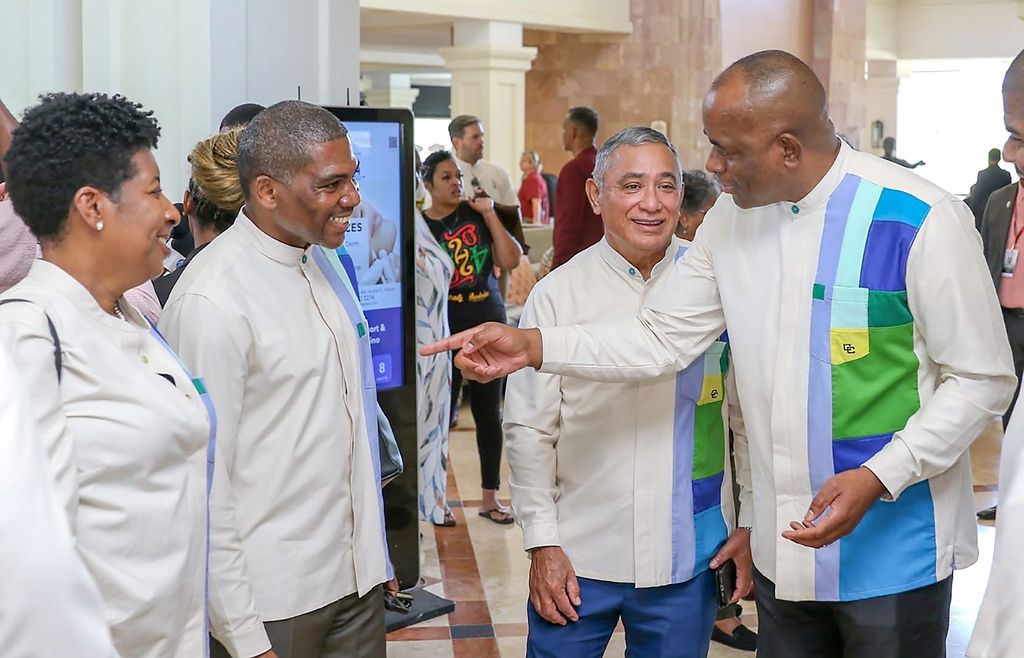

Dominica Prime Minister Roosevelt Skerrit says Caricom is not hiding behind diplomatic language on Cuba but has limited power to influence developments there, as pressure mounts from the United States, which has implemented a blockade on that island, for Caribbean governments to reassess ties with Havana.
Regional leaders have continued to express solidarity with Cuba, particularly as several territories rely on the Cuban medical programme. But Skerrit acknowledged that the bloc’s influence is constrained.
“One has to appreciate that the dynamics are different from other times and that you will have to approach things differently and be more consolatory in your approach. There are issues that are not really in the control or domain of the Caribbean, of the Caricom leaders. We are just on standby, on the sidelines rather, looking in like everyone else.”
He encouraged Caribbean citizens to raise their own voices, even as governments navigate a shifting geopolitical landscape.
Skerrit also defended Cuba’s role as a critical source of doctors and nurses for Dominica and other small island states, especially as wealthier countries recruit healthcare workers from India and Nigeria. He said Cuban medical support helped sustain regional economies after natural disasters and during the COVID-19 pandemic.
Training medical professionals is costly, he noted, and smaller states cannot compete with salaries offered abroad. While India and Nigeria have supplied doctors to the region in the past, he said Nigerian doctors are increasingly being recruited elsewhere, leaving Cuba as the most consistent partner.
“It’s almost like a dog-eat-dog world. And how do you survive in this very precarious environment?”
Despite uncertainty, Skerrit insisted Cuban medical personnel will remain in the region, even if the structure of agreements changes.
“The presence of the Cuban doctors will continue to be there. Obviously, we are all talking about a different make-up of it or a different approach to it.”
Grenada Prime Minister Dickon Mitchell said Caribbean leaders share concerns about Cuba’s economic strain and the risk of a humanitarian crisis that could trigger increased migration. He said discussions with US Secretary of State Marco Rubio on Wednesday signalled that Washington does not want to see conditions deteriorate further.
Mitchell said regional governments remain in close diplomatic contact with Havana and are aware of the pressures caused by fuel shortages and economic hardship. He expressed hope that dialogue between Cuba, the US and regional partners could ease tensions.
Meanwhile, St Lucia Prime Minister Philip J Pierre said he expects ongoing engagement between Caribbean leaders and the US to strengthen relations, even as sensitive issues such as medical cooperation with Cuba remain under discussion. He said small island states must continue focusing on priorities at home, including agriculture, climate resilience and public health, while navigating external pressures.