
Shastri Boodan
Freelance Contributor
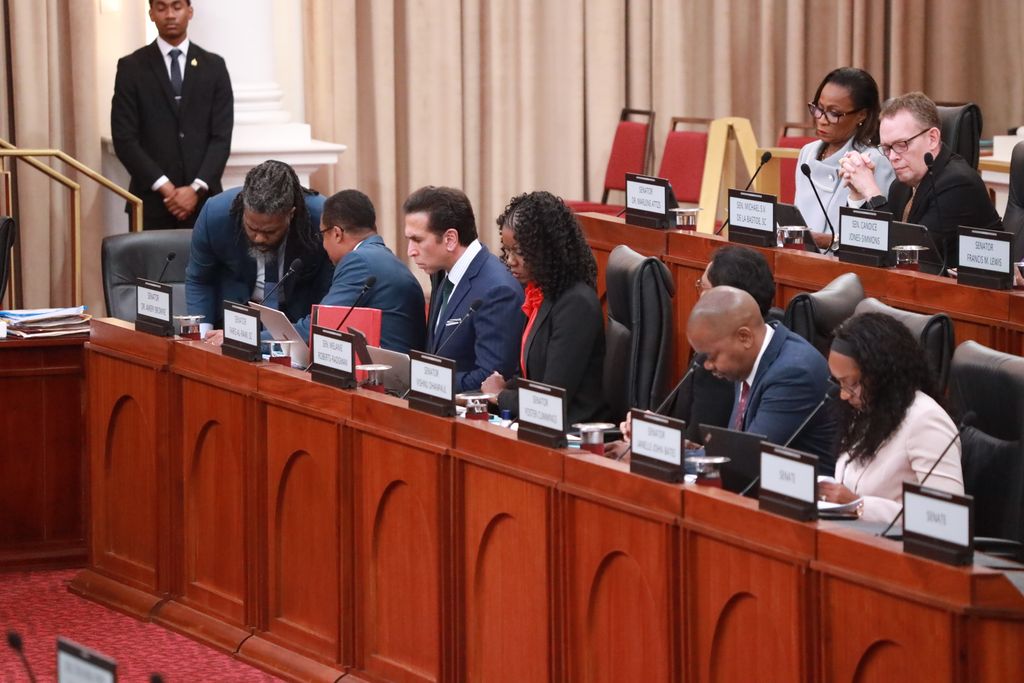
President of the Chaguanas Chamber of Industry and Commerce (CCIC), Baldath Maharaj, has renewed calls for stronger and more disruptive security measures in Central Trinidad, following the failure of the Zones of Special Operation (ZOSO) Bill.
While acknowledging the outcome of the parliamentary process, Maharaj said the Chamber remains deeply concerned about the security realities facing businesses and residents in the Chaguanas area.
“Whilst we acknowledge and respect the outcome of the vote in the Senate, we maintain our stance that the security crisis in Central Trinidad requires more than normal policing,” Maharaj stated.
He noted that despite reports of a national decline in crime, members of the Chamber continue to experience fear and uncertainty, particularly as the Central Division accounts for a disproportionate number of homicides.
“Recent data indicating a national downward trend in crime offers little comfort to our members,” he said, adding that the figures suggest Central Trinidad is becoming “a preferred destination for criminal relocation.”
Maharaj stressed that the Chamber believes a traditional, business-as-usual approach to law enforcement is no longer adequate given the current climate. He argued that high-impact, disruptive measures are necessary to reclaim communities and protect Chaguanas’ rapidly expanding retail sector.
“The safety of the Borough of Chaguanas is non-negotiable,” he said. “We continue to support the implementation of disruptive measures where necessary—those designed to reclaim our streets and ensure that the rapid growth of our retail hub is not overshadowed by a surge in violent activity.”
At the same time, the CCIC president emphasized that enforcement alone is not enough. He called for a combined strategy that includes targeted social programmes aimed at preventing youth from entering criminal activity.
“We continue to advocate for a swift response that combines aggressive, disruptive law enforcement tactics with the targeted social programs necessary to prevent the next generation of offenders,” Maharaj said.
He made it clear that the Chamber is not seeking to place blame but instead views national security as a shared responsibility between the State, the private sector and civil society.
“Our commitment remains to ensure that the Central Division receives the manpower, technology, and legislative support required to match its status as a critical economic engine,” he said.
Maharaj also signaled the Chamber’s willingness to participate in ongoing discussions on crime-fighting strategies and legislative reform.
“We are ready to be part of any forum that seeks to refine security legislation to address criminal activities,” he said, expressing hope that collaborative efforts would help restore peace and confidence in Chaguanas.
“Let’s aim to return a sense of peace to Chaguanas, ensuring our businesses thrive and our residents can once again walk without fear.”