
Brent Pinheiro
brent.pin[email protected]
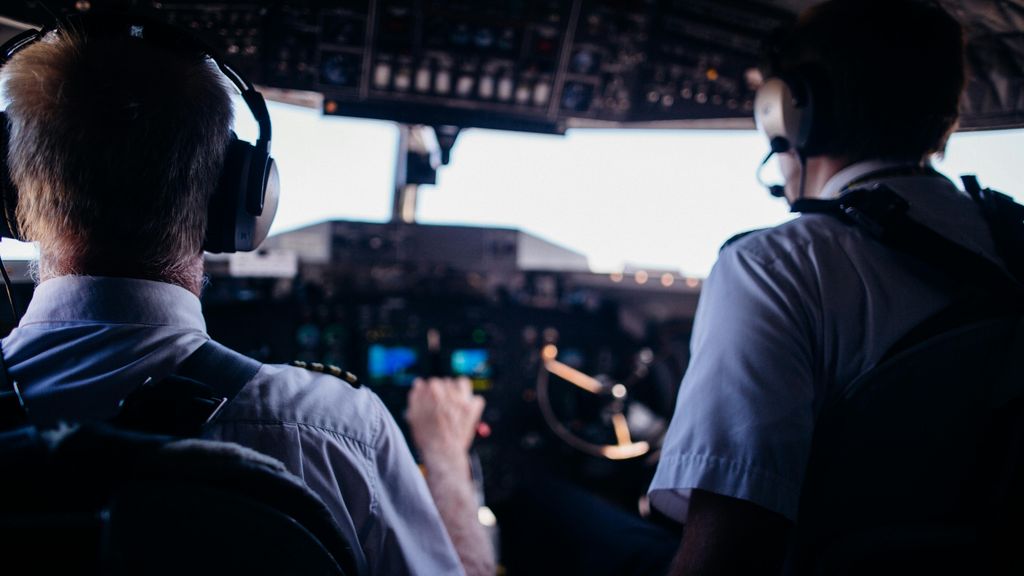
On December 10, 2025, a Caribbean Airlines aircraft enroute to Trinidad encountered GPS jamming while preparing to land at Piarco International Airport. The interference rendered blocked GPS signals, forcing the pilots to switch to backup systems. The aircraft landed safely minutes later. It’s one of several incidents of deliberate GNSS (Global Navigation Satellite System) Interference recorded over the last few months. Though it does not pose a safety risk to passengers, pilots have reported encountering deliberate GNSS Interference, mainly jamming, at an increased rate while flying in the region.
GPS jamming & interference map dated January 22, 2026. Image: FlightRadar24
The Trinidad & Tobago Civil Aviation Authority (TTCAA) began warning operators about possible GNSS interference around both Piarco International Airport and the A.N.R. Robinson International when the United States began its pressure campaign against Venezuela last year. On January 19, the TTCAA issued yet another Notice to Airmen (NOTAM) warning of possible GNSS interference effective until February 19. T&T’s airspace remains open. The US-based Federal Aviation Administration (FAA) also issued new NOTAMs for other parts of the region with similar warnings of GNSS interference. Those NOTAMs are in effect until March 17.
Despite the rise in incidents, the International Air Transport Association (IATA) is reassuring passengers that it is safe to travel through the region. Speaking with Guardian Media at IATA’s Global Media Day in Switzerland in December, IATA Senior Vice President of Operations, Safety, and Security, Nick Careen, explained that while GNSS interference is relatively new to the region, it is common in other parts of the world, especially conflict zones. There are two types of GNSS interference - spoofing and jamming. Careen explained that they affect aircraft in different ways. “Jamming essentially makes [the systems] unusable. So, it doesn't work. Spoofing tells you you're somewhere you aren't. It's basically giving you an erroneous positioning,” he said.
Though it may sound worrying, commercial pilots are trained to handle these events. During GNSS interference events, pilots can no longer use data from satellites. Instead, they switch to using ground-based data sources, which require different procedures and increase the workload in the cockpit. “It results in manual processes in the cockpit that we would much prefer to avoid. And there is redundancy on the aircraft to deal with it. Obviously, you much prefer automation. But if and when it does happen, pilots are prepared and trained to deal with it," Careen said. “It doesn't make us any less safe. It's a safety risk, but not something that consumers should be concerned about in terms of their own safety." Careen reassured.
Still, IATA has called for action on the issue, urging the International Civil Aviation Organization (ICAO) member states and stakeholders to promptly implement “effective measures to mitigate” the risks. According to data from IATA's Global Aviation Data Management Flight Data eXchange (GADM FDX), the number of global positioning system (GPS) signal loss events increased by 220% between 2021 and 2024. At ICAO's 41st Assembly, the ICAO Council was instructed to develop a dedicated work programme on conflict zones and to update ICAO guidance, including the Risk Assessment Manual for Civil Aircraft Operations Over or Near Conflict Zones.
In the meantime, airlines have taken steps to mitigate the effects of interference events, including rerouting flights to avoid Venezuelan airspace and loading extra fuel in case a diversion is required.