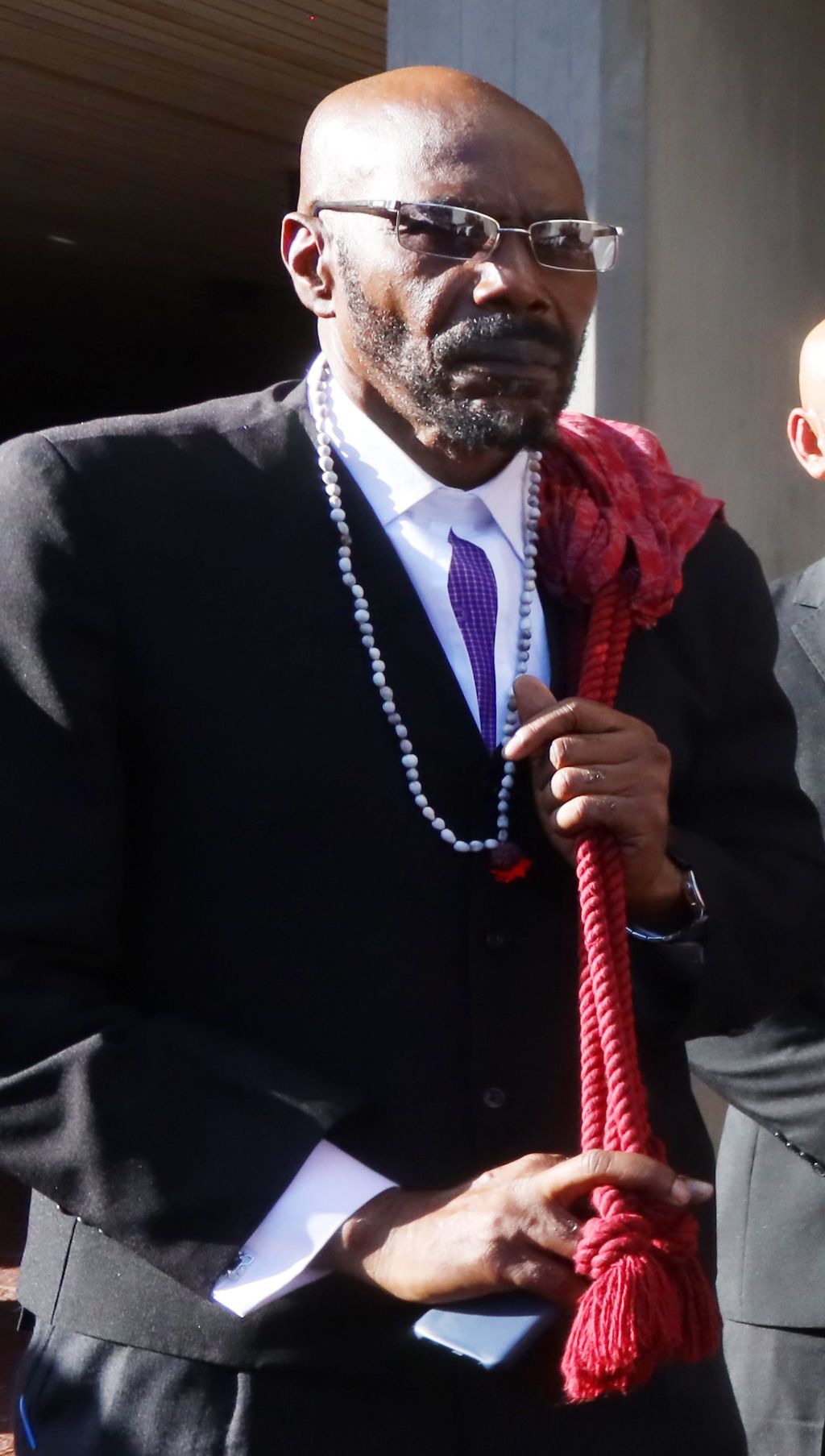

Shane Superville
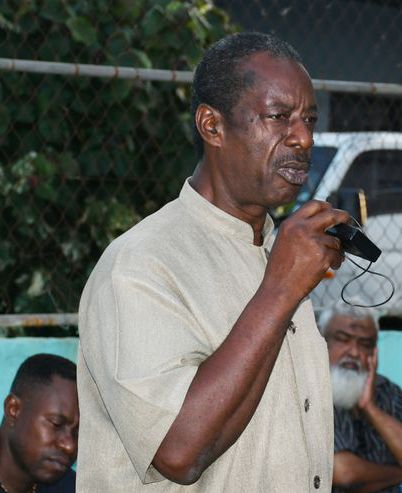
Criminal defence attorney Ulric Skerritt is urging Government to divulge more information on the introduction of Zones of Special Operations (ZOSOs), as he feels most of the public is still not aware of what such a strategy would entail.
The Law Reform (Zones of Special Operation) (Special Security and Community Development Measures) Bill, 2026, was debated in the Senate on Tuesday. Debate is scheduled to continue tomorrow.
Speaking with Guardian Media about the planned law yesterday, Skerritt, who is also a former police officer, said while he has not read the details behind the proposed strategy, greater consultation and clearer communication was needed on the part of Government, even before the bill was brought to Parliament for debate.
He also raised concerns over the execution of ZOSOs, as he felt it was being used as a means of continuing a state of emergency (SoE) in specific areas.
“The fact is that whatever they can do in relation to getting into people’s houses without a warrant, they can do that with a warrant the same way, because it doesn’t take long for a police officer to go to a justice of the peace and get a warrant to search someone’s house and even if they want to keep someone in their house, they can surround the house and have an officer get the warrant ... it doesn’t take long,” he said.
“So, I really don’t see the need for it ... I basically see it as an attempt to have another state of emergency in another way.”
Skerritt also argued that the concept of a ZOSO would infringe on the rights of law-abiding citizens, as they would also be affected by heightened police activities.
In a media release on Tuesday, the Law Association of T&T (LATT) offered its suggestions for the bill, noting that their comments were not sought before the bill was read before it was first read in the Lower House last Friday.
Among the suggestions put forward was the mandatory use of body-worn cameras (BWCs) for police officers while in the field.
Referring to the bill, which states that BWCs will be worn “as far as is possible having regard to available resources,” the association said more stringent arrangements to ensure operational oversight were needed.
“The experience of our members has been that this has been used as a ready excuse not to use cameras. Given that the creation of zones result in the suspension of some constitutional rights, we recommend that it be made compulsory that body cameras be used or some other recording device,” LATT said.
The association also recommended that law enforcement authorities identify themselves or provide their regimental numbers when confronting people they suspect may have been involved in a crime.
Referring to Section 18(3) of the bill, which provides that a magistrate may order a detainee to appear before the High Court, the association sought clarity on how long a suspect would remain in custody after being taken before the court, the time limit a suspect can be detained without charges being laid and if a suspect should be released if there are delays in laying charges.
Questions were also raised as to what specifically would qualify as “reasonable suspicion” for officers to target people believed to be involved in criminal activities.
As part of oversight, the LATT also recommended that a new clause be included in the bill where a standard search record capturing the grounds for suspicion and whether a BWC was turned on.
In cases where a body camera was not worn, the association noted that a written explanation should be provided why.