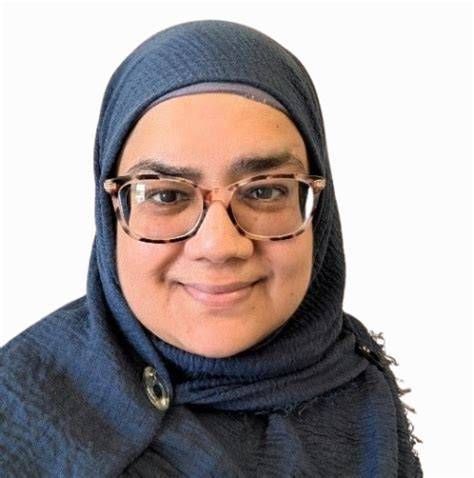

International law lecturer at the University of the West Indies, Dr Safiya Ali, says while smaller Caribbean states may feel tempted to align with powerful actors such as the United States, recent US military actions in the region underscore the need for stronger regional solidarity grounded in international law and national sovereignty.
“The interests of our small states are never going to be at the forefront of those decision-makers, which is why we need to have strong positions and strategies that have our interests at the centre and our limited resources and capacities in mind,” she said.
Ali said the Attorney General’s claim relies on one interpretation that recent strikes did not breach international law, but international bodies such as the United Nations have taken a different position.
“In my view, we do not have specific enough information about the location of the strikes, the procedure followed before the strikes or the nature of the persons injured or killed,” she said.
From September to the present, the US military has killed at least 115 people in more than 35 boat strikes in the Caribbean Sea and the Eastern Pacific Ocean. These operations preceded US military action in Venezuela that resulted in the ouster of Nicolas Maduro on January 2.
Ali told Guardian Media that customary international law and the United Nations Charter prohibit the use of force unless it is carried out in self-defence or as part of collective measures.
She explained that self-defence requires a threat or an actual attack that jeopardises the security of the responding state, demands immediate action, and involves force proportionate to the threat or attack.
“Alleged drug trafficking does not seem to present this kind of threat necessitating the kinds of strikes announced by the US,” she said.
Ali said where a threat exists but the conditions for self-defence are not satisfied, the use of force is only lawful as a collective measure with the approval of the United Nations Security Council.
While the Attorney General is not required to disclose the source of his legal advice, Ali said identifying who provided the advice and their credentials would strengthen public confidence in its quality.
“And while the AG is not obligated to reveal who he got his advice from, identifying the source and credentials of the advice would allow for greater faith in the quality of the advice,” she said.
International law experts have questioned Attorney General John Jeremie’s claim that recent US strikes on alleged drug traffickers in the Caribbean were lawful. Critics say counter-narcotics operations are governed by criminal law, not the law of armed conflict, and warn lethal force without flag-state consent or oversight violates international law and human rights.
Related News
Government outlines legislative agenda for 2026
Family demands justice after video shows man surrendering before police killing
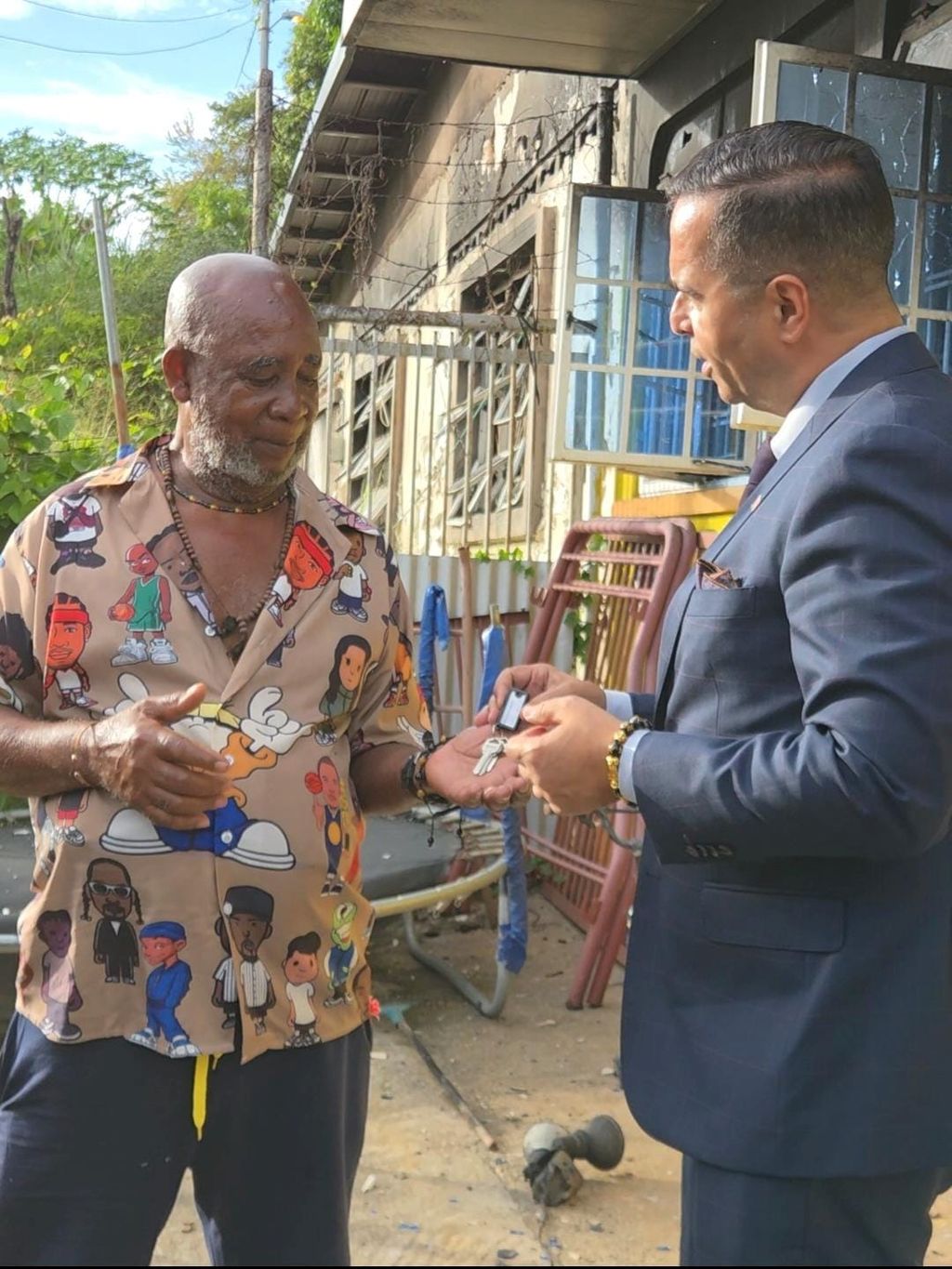
Ministry provides housing after Fort Picton fire