Senior Political Reporter
With the State of Emergency (SoE) expected to come to an end in the coming weeks, the Government is turning its attention to targeted crime-fighting measures in hotspots. Attorney General John Jeremie revealed on Wednesday that Zones of Special Operations (ZOSO) will be introduced, providing law enforcement with expanded legal authority to address criminal activity in hotspot communities, similar to a model used in Jamaica.
At today’s House of Representatives sitting will be a debate on The Law Reform (Zones of Special Operations) (Special Security and Community Development Measures) Bill, 2026, which implements measures that will follow the SoE, which ends January 31.
The 28-clause bill, geared to enhance T&T’s security and curb crime, provides for the Prime Minister to declare “Special Zones” in either Trinidad or Tobago, where “there are reasonable grounds to believe that there is rampant criminality—murder, gang warfare, or high or escalating levels of violence—or a threat to the rule of law and public order.”
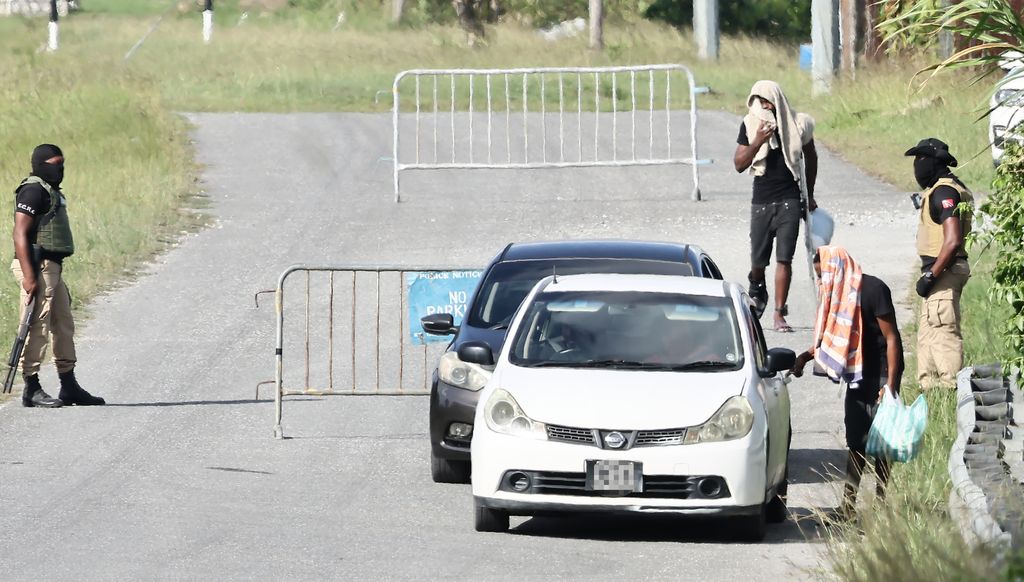
The bill proposes that security forces comprising police and Defence Force officers can occupy such zones. A Joint Command will have authority to declare cordons (for 24 hours) and curfews (up to 72 hours maximum), and a Joint Force which will operate will also have search and seizure powers.
The Joint Command will submit a written report to the National Security Council every 30 days during the period a zone is in operation.
The bill also provides for a Social Committee comprising the MP for the constituency involved and representatives of state agencies to assess conditions within the zone, including the state of the physical infrastructure, health, environment, land tenure, housing and settlements.
The team will identify threats to the sustainable development of zone communities and develop a plan which will include addressing issues relating to health, environment, social improvement, infrastructural development, education and economic development.
Members will recommend social interventions within the zone, including compulsory school attendance areas and local improvement and urban renewal initiatives, and co-ordinate implementation of social intervention programmes by relevant bodies.
The committee’s considerations will pay particular attention to vulnerable people who live, work and attend school there, including children, the elderly and the disabled.