
Senior Reporter
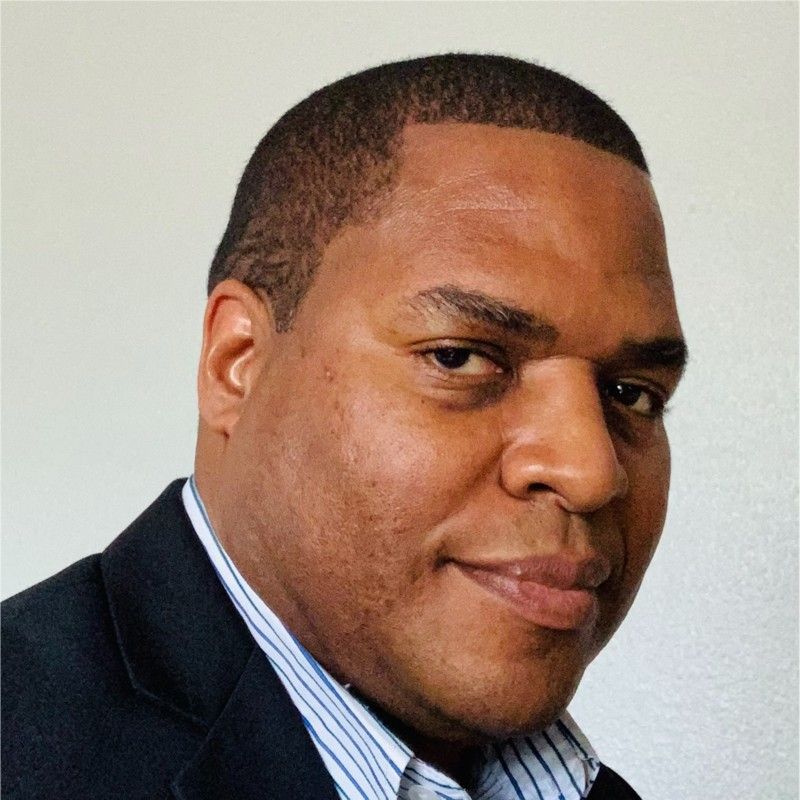
Founder and director of the Black Agenda Project and chairman of the National Library and Information System Authority (NALIS), Dr David Muhammad, is hoping that the Zones of Special Operations (ZOSOS) will not be used in a racially discriminatory manner or to stigmatise communities.
“If this is done properly, then, for example, communities like Laventille have had significantly fewer murders over the last eight years than many other communities across Trinidad that may still have a positive image and reputation intact, as they have not been negatively labelled. So, there must be the strength in the machinery of the system to not engage in racial profiling, youth stereotyping, and residential-area discrimination. If this can be done without these impediments in the process, then I believe it can work well.”
The matter will be brought to Parliament tomorrow and will replace the State of Emergency, which is legally due to come to an end by the end of the month. The details of the zones and how they are to be policed will be ventilated during the debate.
Muhammad added, “My understanding is that this is one of the approaches that seems to be agreed to by both Government and Opposition, based on positions taken during the last 10 years or so, and I see there being both advantages and disadvantages. My concern, however, is that these zones must be selected based on real and actual current crime rates and statistics (including white-collar crime), and not on past stigma, reputation, fear, or suspicion of these communities.”
He added that areas where people sell and consume illegal narcotics must be regarded as equally, or even more dangerous than those where the importers live. Muhammad said areas where money laundering and drug trafficking take place, and where the perpetrators own large businesses and control considerable sectors of the economy, should also be included in the zones.
Pastor and social advocate Clive Dottin also welcomed the ZOSOS, saying they had worked well in Jamaica in addressing levels of crime in supposed hotspot areas.
“It is a success story and is useful in a post-SoE period.”
He added that at the end of a State of Emergency, it is important to have something in place to continue the gains made. He stressed, however, that along with hard policing, there should be social intervention, including input from non-governmental organisations, religious bodies, and sporting groups.
Meanwhile, activist Abeo Jackson wrote on her Facebook page:
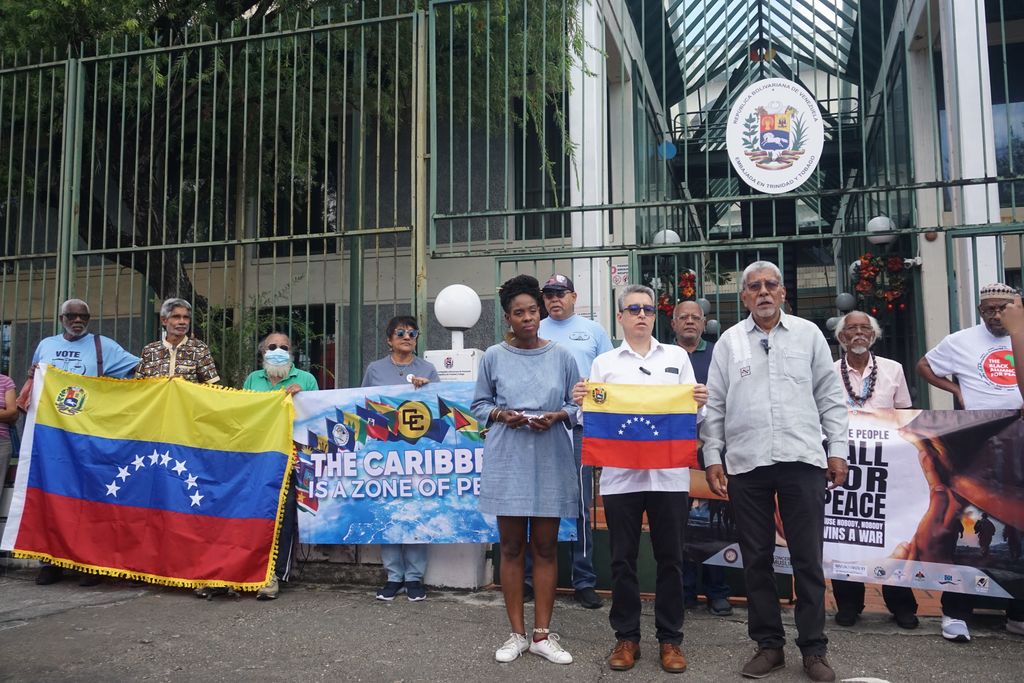
“Zones of Special Operations … So many parallels to be drawn. None of them good. All of them anti-black. Anti-poor. Anti-working class. All of them leaning into tribal polarities. All very MAGA. All very authoritarian. All pro-status quo. All symptomatic of systems of oppression operating exactly the way they have always been designed to. Very purposeful slap in the face to the Zone of Peace.”