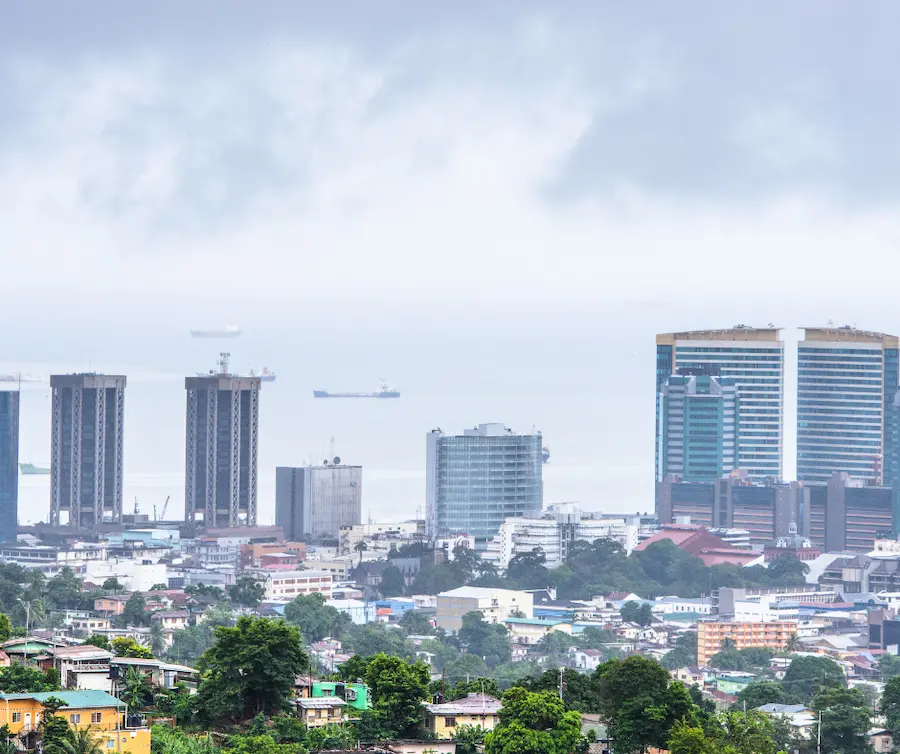

Government has signalled its intention to follow the example of Jamaica and introduce Zones of Special Operations (ZOSOs), as the country seeks to take advantage of the reduction in murders and other crimes during a State of Emergency (SoE) that is expected to end on January 31, 2026.
Jamaica established ZOSOs under the 2017 Special Security and Community Development Measures Act, to tackle high crime in specific areas through enhanced security and community development and regularly extended by Parliament.
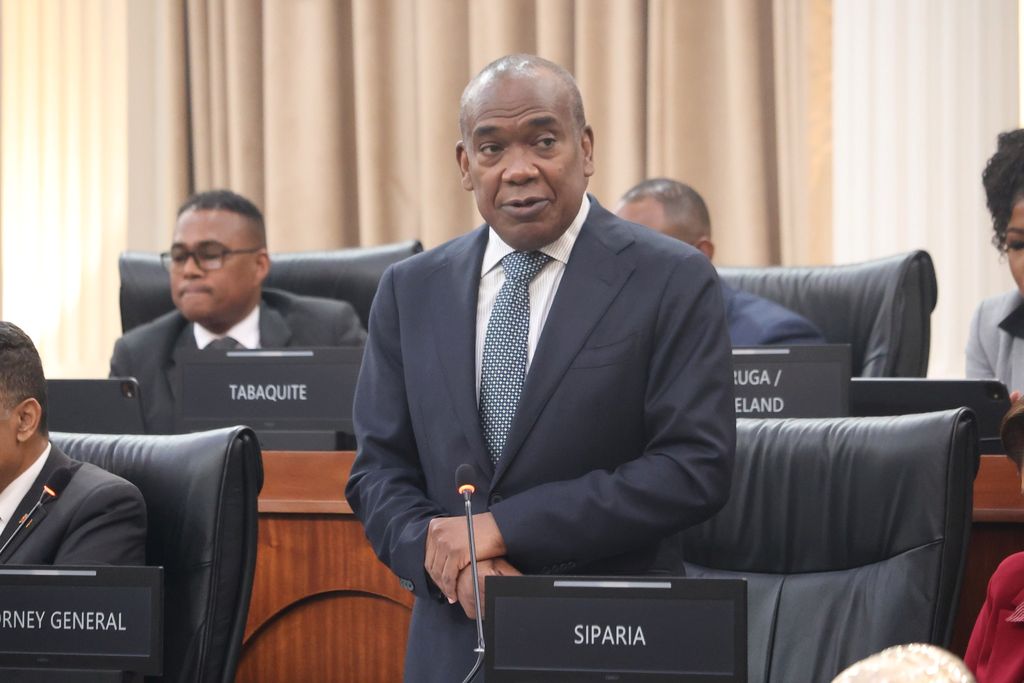
Speaking on Wednesday (January 14, 2026) at a news conference at the headquarters of the ruling United National Congress (UNC), Attorney General John Jeremie said the Kamla Persad-Bissessar administration intends to advance the ZOSO legislation, designed to target crime “hot spots” without resorting to a SoE, which he acknowledged had “yielded tangible benefits”.
‘We intend to lock in those advantages which have yielded tremendous results in terms of the drop in homicides, the drop in wounding and the drop in general crime, generally,” AG Jeremie told reporters.
He added: “Our first attempt to do that is with the zones legislation.”
“The legislation which is before the House is intended to ensure that there is a measure of proportionality between our responses and the threats which we now face. So that instead of a national State of Emergency, we propose to concentrate on hot spots,” he added.
The AG said there would also be some parameters under which the ZOSOs will function.
“There is legislative precedence—I think I can say that without going into the bill. There is legislative precedence for what we propose to do. There are checks and controls. There will be judicial oversight. There will be some time constraint with respect to how long the designation of a particular zone of operation, how long that designation can last and there will be procedures set in the bill to govern who exactly can declare somewhere zone of operation,” AG Jeremie said.
“We just ask you to remember that these are matters which are before the Parliament,” he said.
Trinidad and Tobago recorded 369 murders last year—a 42 per cent decline in murders as compared to the previous year when 626 people were killed—the lowest murder figures for Trinidad and Tobago since 2014.
The Trinidad and Tobago Police Service (TTPS) had said, in a statement earlier this month, that serious crimes also had declined by eight per cent; violent crimes dropped by 15 per cent; larceny of motor vehicles decreased by 21 per cent; and fatal road traffic accidents went down by 22 per cent.
The Police Service said there also was an improved detection rate, including an increase in the detection rate for murders, which went from 15 per cent to 20 per cent. For national serious reported crimes, the detection rate went up from 29 per cent to 36 per cent.
In addition, police also seized 673 illegal firearms and more than three tonnes of marijuana in 2025.
The TTPS said, under SoE powers, they executed 12,574 operations, targeting 3,723 priority offenders and conducted over 82,000 searches. —PORT OF SPAIN, Trinidad (CMC)
Related News
More frustration for motorists at Licensing Offices
Over $7M in cannabis seized and destroyed
Bizarre death: Elderly woman found partially nude under bed in Chaguanas home; daughter ca...