


Shane Superville
Psychiatrist Dr Varma Deyalsingh says that greater involvement from the State is necessary in identifying homes where elderly people may not be receiving the care they need.
Deyalsingh maintains that such an approach would improve accessibility to care, especially in light of two separate incidents where elderly women died and began to decompose at their respective homes.
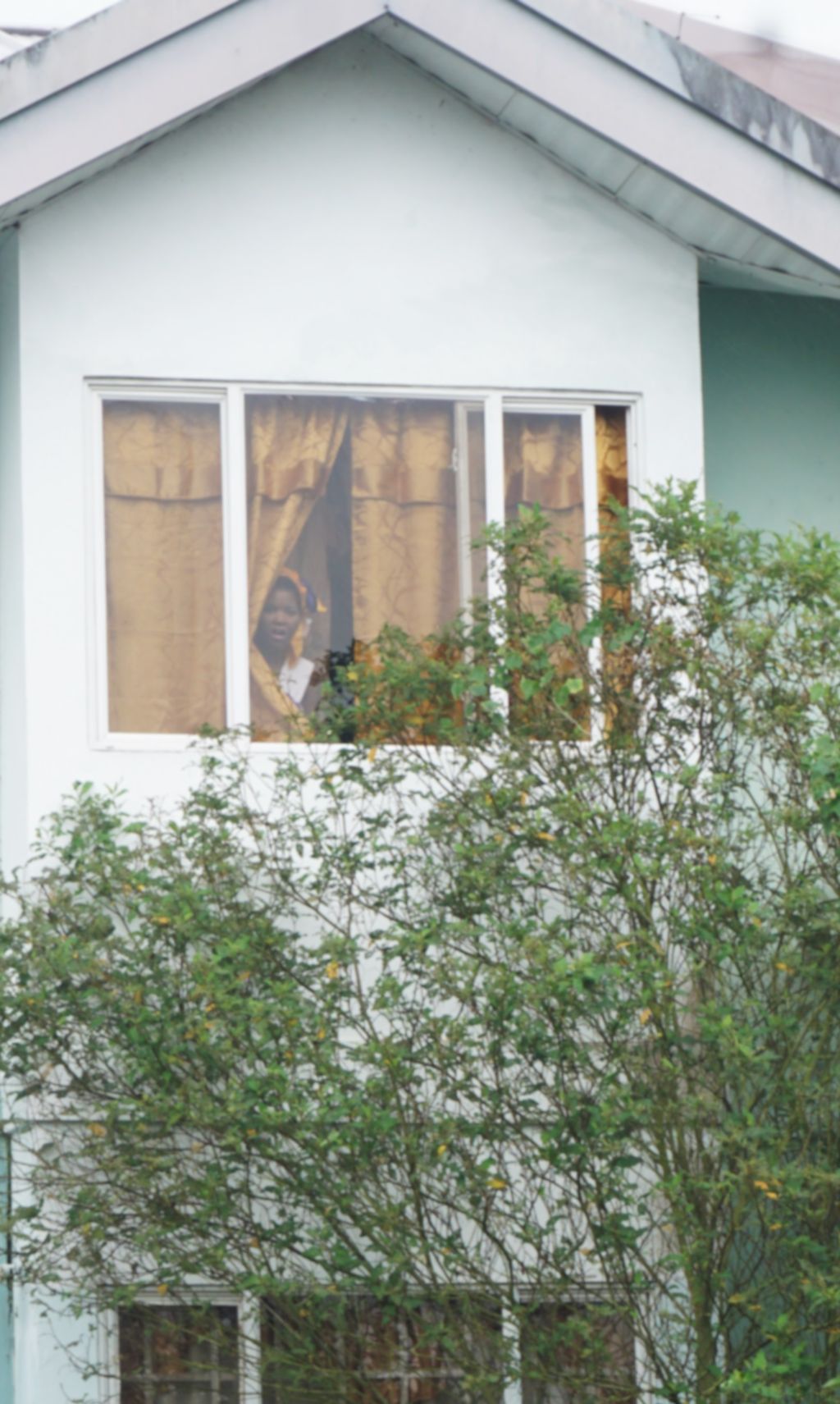
In the most recent incident, the body of 74-year-old Doodhani Vishvati Sooknanan was found under the bed of her Torenia Drive, Edinburgh 500, Chaguanas home by police on Thursday.
Officers of the Chaguanas CID visited the home to conduct a welfare check when they made the discovery.
According to police, Sooknanan’s daughter and granddaughter were also in the house with her decomposing body, however, her daughter claimed that she did not see or hear her mother.
Last October, the decomposing body of 91-year-old Joyce Saunders was found at her Cherry Tree Circle, Santa Rosa Heights home.
Saunders also lived with her mentally ill daughter, who was taken to St Ann’s Psychiatric Hospital.
Responding to Guardian Media’s questions via WhatsApp yesterday, Deyalsingh said both incidents were an example of the need for intervention from the authorities, noting that cohabitation did not necessarily mean caregiving.
“What we see is ‘caregiver collapse’ where the caregiver lacks the cognitive, emotional or psychological capacity to respond appropriately to death.
“This does justify earlier and more assertive State involvement, not necessarily institutionalisation, but structured oversight.”
Deyalsingh suggested that “vulnerable homes” be identified on a community basis.
He said such homes would qualify as households where elderly people are dependent on a mentally ill caregiver, people with severe mental illness living alone, homes with past welfare checks and police involvement or people who have been known for hoarding, barricading or anti-social behaviour.
As part of this intervention, he also suggested that planning similar to natural disaster protocols be introduced, where a secondary contact, such as a neighbour, relative or non-governmental organisation, be notified if an elderly person dies and legal guardianship or oversight arrangements be made ahead of time.
“These tragic deaths are not isolated anomalies. They represent untreated or poorly managed mental illness, social isolation, fragile caregiving arrangements and gaps in coordinated community oversight.”
Deyalsingh said local government councillors, through their own network of residents, could also work towards keeping abreast of any incidents involving the elderly or mentally ill.
“Basic mental health awareness for councillors and community workers would significantly improve early detection for persons who fall through the cracks and are never diagnosed as having a mental problem to attend clinics.”
Police sources said that as enquiries into Sooknanan’s death continue, officers from the Region III Homicide Bureau are the main unit of oversight in the investigation.
Speaking with Guardian Media yesterday, police sources said that pending the outcome of the autopsy, Sooknanan’s death has been labelled as an “unusual/ suspicious” death, noting that the post-mortem would decide how investigators approach the matter.
“If there is any suggestion of foul play, well then the Homicide investigators will continue the enquiry.
“If, however, there is no indication of murder or any criminal action, then the investigation would be done by the Chaguanas charge room.
“It’s very important to establish intent and consider the evidence we have at this point and what there is to work with.”
The source also noted that officers of the police Cyber Crime and Social Media Unit were involved in the enquiry in relation to social media posts made by Sooknanan’s relative, which he said would be useful in the investigation and establishing a timeline of events.
Related News

China stages military drills around Taiwan to warn ‘external forces’ after US, Japan t...
PM distances T&T from US military strikes in Venezuela that led to Maduro's capture
PNM urges Govt to reverse penalty fines