
After briefing, Johnson says he doesn’t expect US troops to deploy to Venezuela
 06 January 2026
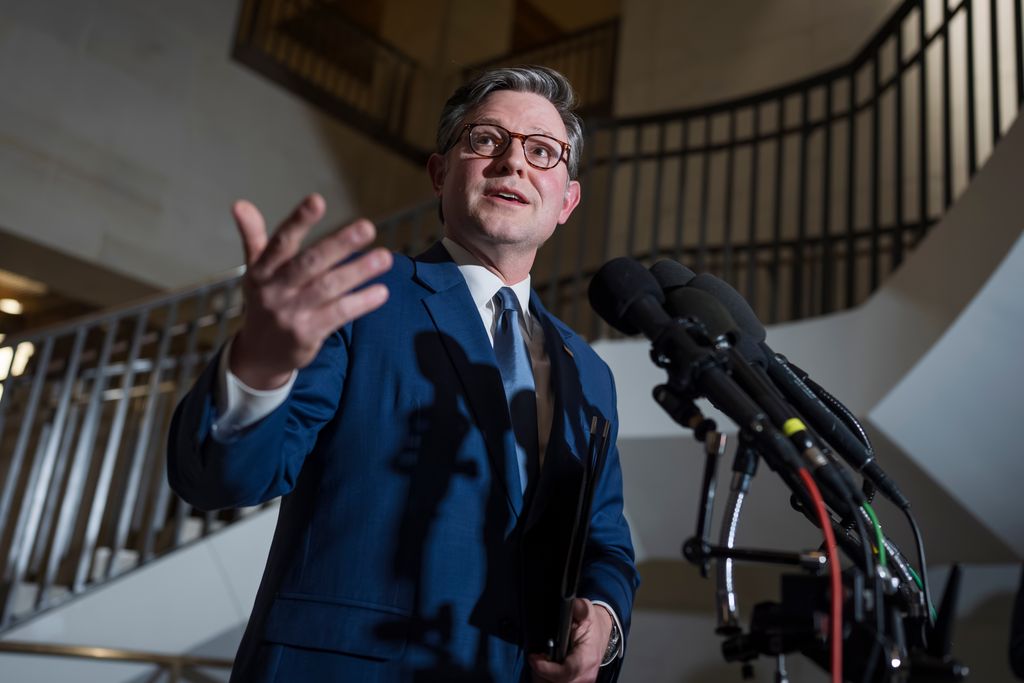

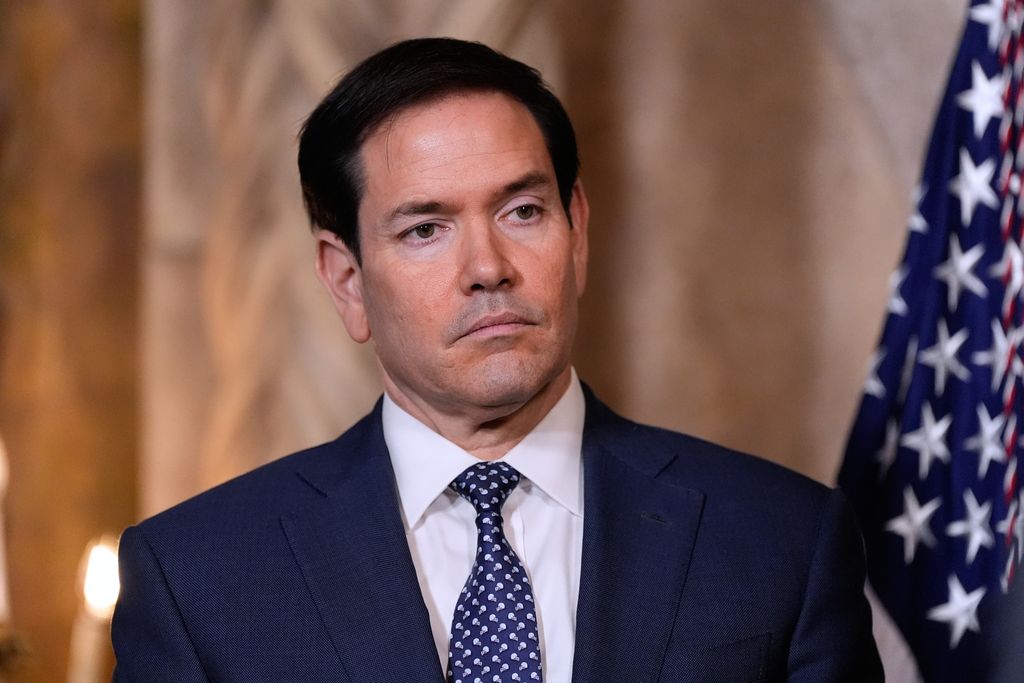
Secretary of State Marco Rubio and other top officials briefed leaders in Congress late Monday on the striking military operation in Venezuela amid mounting concerns that President Donald Trump is embarking on a new era of U.S. expansionism without consultation with lawmakers or a clear vision for running the South American country.
After the briefing, House Speaker Mike Johnson told reporters that he does not expect the United States to deploy troops to Venezuela, emphasizing that U.S. actions there are “not a regime change” operation.
Democratic leaders said the session lacked clarity about the Trump Administration’s plans for Venezuela. Sen. Chuck Schumer said the session “posed far more questions than it answered.”
Deposed Venezuelan leader Nicolás Maduro pleaded not guilty to federal drug trafficking charges in a U.S. courtroom on Monday.
Several analysts and some world leaders — from China to Mexico — have condemned the Venezuela mission. Some voiced fears that Maduro’s ouster could pave the way for more military interventions and a further erosion of the global legal order. On Sunday evening, Trump put Venezuela’s neighbour, Colombia, and its leftist president, Gustavo Petro, on notice.
Meanwhile, the Venezuelan government is seeking to show its people and the world that the country is being run independently and is not being controlled by the United States.
Lawmakers aligned with the ruling party, including Maduro’s son, gathered Monday in the capital to follow through with a scheduled swearing-in ceremony of the National Assembly for a term that will last until 2031.
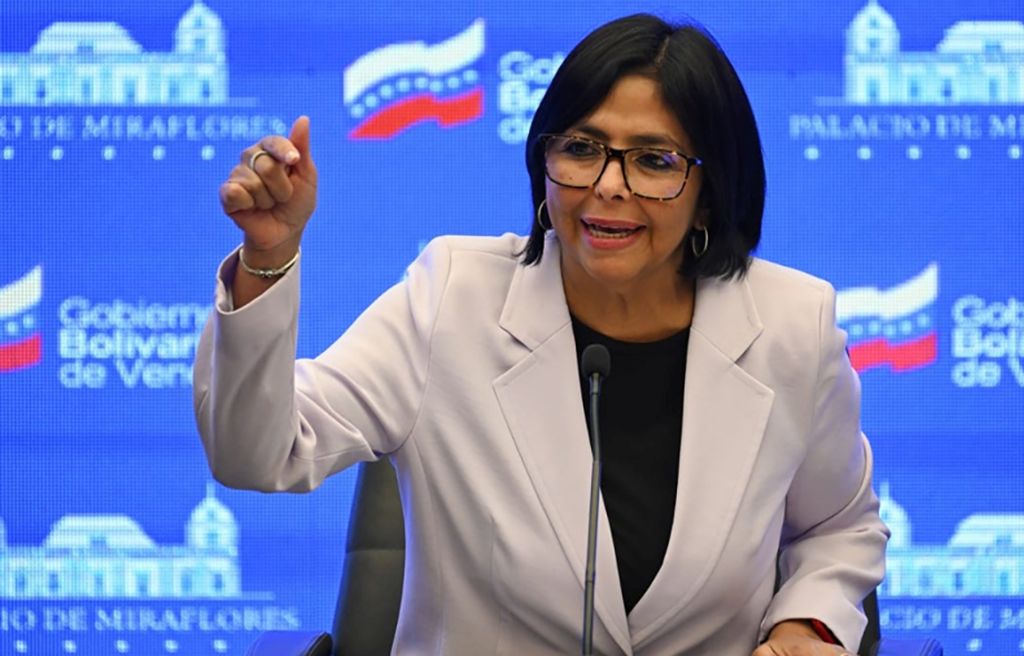
Venezuela’s interim president Delcy Rodríguez, who called Maduro’s capture an “atrocity” in the hours after the operation, has since invited Trump to “collaborate with us on an agenda of cooperation”. Her conciliatory message came after Trump threatened that she could “pay a very big price” if she didn’t fall in line with U.S. demands.
HERE ARE THE LATEST DEVELOPMENTS…
‘Disagreement about how to proceed’
By MATTHEW LEE
The discrepancy between what Trump and Rubio have said publicly hasn’t sat well with some former diplomats.
“It strikes me that we have no idea whatsoever as to what’s next,” said Dan Fried, a retired career diplomat, former assistant secretary of state and sanctions coordinator who served under both Democratic and Republican administrations.
“For good operational reasons, there were very few people who knew about the raid, but Trump’s remarks about running the country and Rubio’s uncomfortable walk back suggests that even within that small group of people, there is disagreement about how to proceed,” said Fried who’s now with the Atlantic Council think tank.
Trump’s vague claims of the US running Venezuela raise questions about planning for what’s next
By MATTHEW LEE
President Trump has made broad but vague assertions that the United States is going to “run” Venezuela after the ouster of Nicolás Maduro but has offered almost no details about how it will do so, raising questions among some lawmakers and former officials about the administration’s level of planning for the country after Maduro was gone.
Seemingly contradictory statements from Trump and Secretary of State Marco Rubio have suggested at once that the U.S. now controls the levers of Venezuelan power or that the U.S. has no intention of assuming day-to-day governance and will allow Maduro’s subordinates to remain in leadership positions for now.
Rubio said the U.S. would rely on existing sanctions on Venezuela’s oil sector and criminal gangs to wield leverage with Maduro’s successors.
The uncertainty on definitive next steps in Venezuela contrasts with the years of discussions and planning that went into U.S. military interventions that deposed other autocratic leaders, notably in Iraq in 2003, which still did not often lead to the hoped-for outcomes.
Few Venezuelans approved of the US government, Gallup poll shows
By LINLEY SANDERS
Only about 2 in 10 Venezuelans approved of the U.S. government, according to a 2025 Gallup World Poll conducted over the summer.
That measure was among the lowest approval ratings from Venezuela recorded in the poll going back to 2006. About two-thirds of Venezuelans disapproved of the U.S. government, which is in line with declines across Latin America between 2024 and 2025.
Maduro wasn’t especially popular at home, either. About 4 in 10 Venezuelans approved of Maduro’s leadership and the country’s leadership overall, according to that poll.
The country’s financial situation has been a point of concern for many Venezuelans. About 6 in 10 said they didn’t have enough money to afford food in the past 12 months, and roughly half said that about shelter. Just 1 in 10 Venezuelans reported they were living comfortably on their incomes, among the lowest in the region.
Machado says she hasn’t spoken to Trump since receiving her Nobel Peace Prize last October
By ISABEL DEBRE
In her first televised interview since the U.S. capture of Nicolás Maduro, the Venezuelan opposition leader extensively praised the US. president, even saying she hoped to personally offer him her Nobel Peace Prize.
She did not acknowledge Trump’s snub of her opposition movement in favour of working with Maduro loyalist Delcy Rodríguez.
“I spoke with President Trump on Oct. 10, the same day the prize was announced, not since then,” she said on Fox News late Monday. “What he has done as I said is historic, and it’s a huge step toward a democratic transition.”
Trump hasn’t said if or when democratic elections will be held in Venezuela.
Opposition leader Maria Corina Machado vows to return to Venezuela
By MEG KINNARD
Speaking to Fox News host Sean Hannity on Monday night, Machado said she’d try to return “as soon as possible.”
Machado, in exile for more than a year, also sharply criticized Venezuela’s new interim leader, Delcy Rodríguez, calling her unfit to lead any transitional authority and “one of the main architects of torture, persecution, corruption, narco trafficking.”
Shortly before Trump’s Saturday news conference on Maduro’s capture, Machado called on her ally Edmundo González — a retired diplomat widely considered to have won the country’s disputed 2024 presidential election — to “immediately assume his constitutional mandate and be recognized as commander in chief.”
Asked about Machado, Trump said he felt it would be “very tough” for her to lead.
More Americans say the US should not run Venezuela
By LINLEY SANDERS
Americans were split about the U.S. capturing Maduro — with many still forming opinions — according to a poll conducted by The Washington Post and SSRS using text messages over the weekend.
About 4 in 10 approved of the U.S. military being sent to capture Maduro, while roughly the same share were opposed. About 2 in 10 were unsure.
Nearly half of Americans, 45%, were opposed to the U.S. taking control of Venezuela and choosing a new government for the country. About 9 in 10 Americans said the Venezuelan people should be the ones to decide the future leadership of their country.
Republicans broadly approved of capturing Maduro, while a Quinnipiac poll from December found that Republicans were more divided on military action in Venezuela. About half were in support, while about one-third were opposed and 15% didn’t have an opinion.
Cuba faces uncertain future after US topples Venezuelan leader Maduro
By DÁNICA COTO, ANDREA RODRIGUEZ
Cuban officials on Monday lowered flags before dawn to mourn 32 security officers they say were killed in the U.S. weekend strike in Venezuela, the island nation’s closest ally, as residents here wonder what it means for their future.
The two governments are so close that Cuban soldiers and security agents were often the Venezuelan president’s bodyguards, and Venezuela’s petroleum has kept the economically ailing island limping along for years. Cuban authorities over the weekend said the 32 had been killed in the surprise attack “after fierce resistance in direct combat against the attackers, or as a result of the bombing of the facilities.”
The Trump administration has warned outright that toppling Maduro will help advance another decades-long goal: Dealing a blow to the Cuban government. Severing Cuba from Venezuela could have disastrous consequences for its leaders, who on Saturday called for the international community to stand up to “state terrorism.”
On Saturday, Trump said the ailing Cuban economy will be further battered by Maduro’s ouster.
“It’s going down,” Trump said of Cuba. “It’s going down for the count.”
________
Stories edited by BRIDGET BROWN and BERNARD MCGHEE | Associated Press
Related News
Delcy demands immediate release of Maduro, his wife
HDC launches billion-dollar mismanagement probe
Rubio ‘anticipates no further action in Venezuela’ with Maduro’s capture
