
Lead Editor-Politics
akash.sama[email protected]
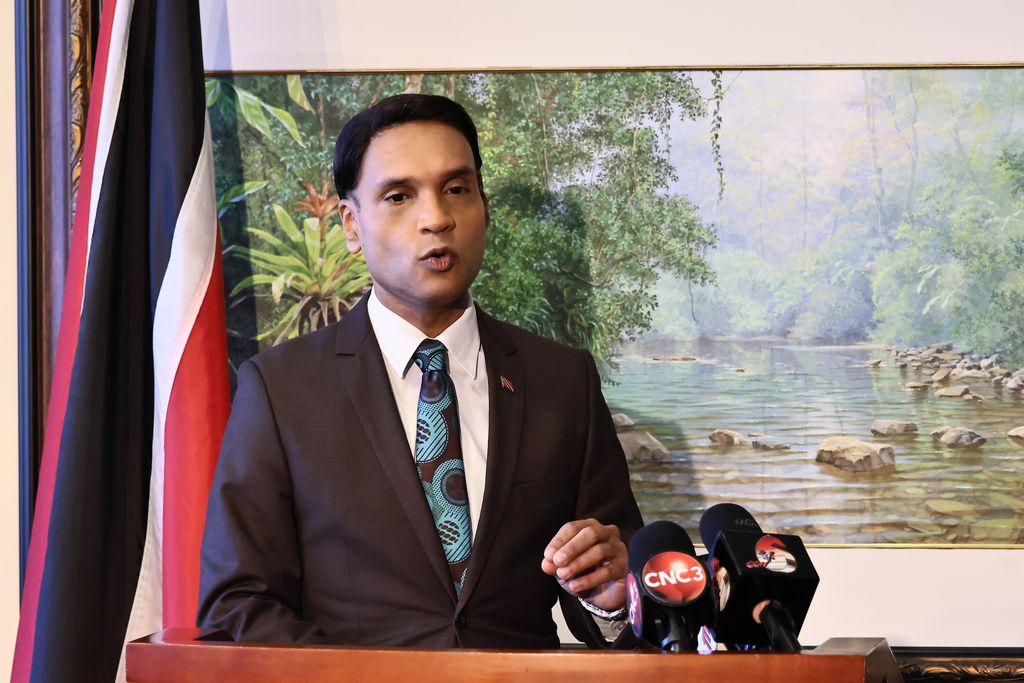
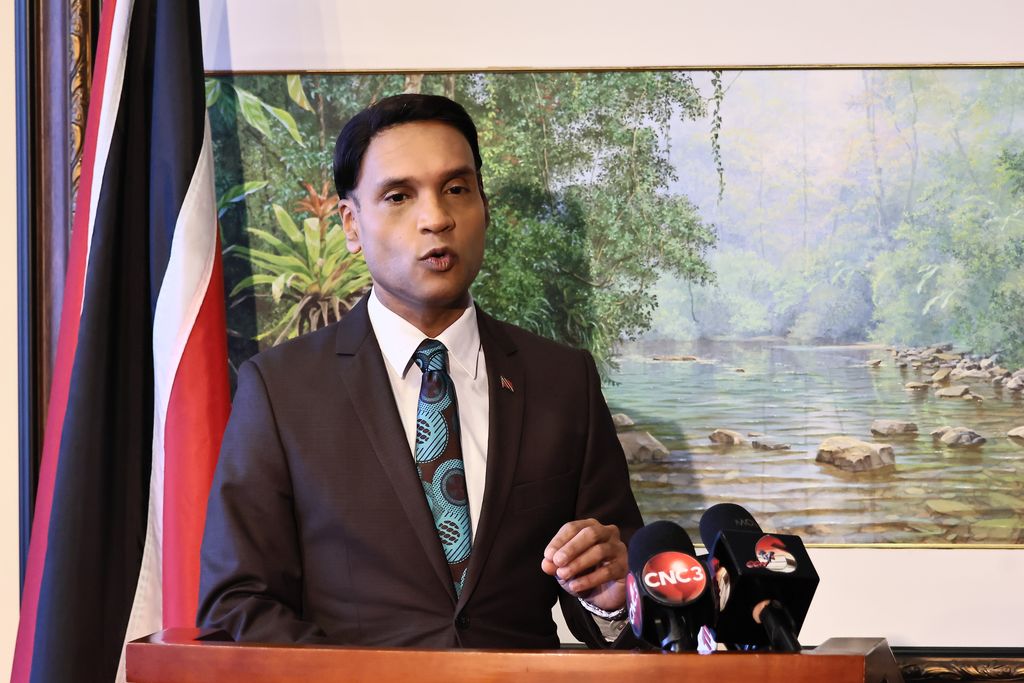
Acting Foreign Affairs Minister Barry Padarath says if a humanitarian crisis unfolds in Venezuela due to potential land attacks from the United States, Prime Minister Kamla Persad-Bissessar has already given her commitment that Trinidad and Tobago will stand with the Venezuelan people.
However, Padarath made it clear that this does not translate to an open-door migration policy. He stressed that T&T would continue to operate strictly within the parameters of the law to manage migration.
But migrant advocates are calling for greater clarity. The La Romaine Migrant Support Group (LARMS) says the Government must explain what constitutes “legal migration,” arguing that the process has been blurred since the issuance of Migrant Registration Cards in 2019.
US officials reportedly held a tense phone call with Venezuelan President Nicolás Maduro last week, offering him a final exit deal: step down immediately, leave the country with his family, and receive safe passage. The offer, mediated by Brazil, Qatar and Turkey, was quickly rejected after Maduro demanded sweeping concessions, including international amnesty, control over the military, and time to negotiate his departure. Washington dismissed those terms, and the talks collapsed within minutes.
Days later, President Donald Trump declared all Venezuelan airspace closed, warning airlines and traffickers to comply immediately, a move widely seen in Caracas as a sign that US land operations could soon follow.
At a White House media briefing yesterday, Press Secretary Karoline Leavitt was asked what was the possibility of US troops being on the ground in Venezuela.
Leavitt said there were many options at President Trump’s disposal and confirmed that the President was meeting with his national security team, where Venezuela and many other matters would be discussed.
But a national security source in T&T said if, in fact, there is aggression between the US and Venezuela, this country’s biggest threat may be the mass migration of Venezuelans, which could lead to further socioeconomic issues such as crime.
Guardian Media asked Minister Padarath what contingency plans are in place for such an eventuality.
Padarath said, “In any humanitarian crisis throughout the world, nations work with the United Nations High Commissioner for Refugees (UNHCR) to provide relief and support. The Prime Minister has consistently said that we support the people of Venezuela.”
He added, “We have already seen droves of Venezuelans journey to T&T over the past few years. A situation that was mismanaged by the former administration.”
However, Padarath stressed, “There are processes to treat with legal migration and those processes will, of course, be adhered to. Border control, security and management is an area that the Ministry of Homeland Security is working diligently to improve upon.”
Guardian Media reminded the minister that the UNHCR’s National Office in T&T was closed for good as of August 31, 2025, due to global funding shortfalls. All operations are now being managed remotely by the UNHCR’s Multi-Country Office in Panama, supported by a minimal staff presence in T&T.
But Padarath said this does not mean its services are still not accessible.
Asked if this means this country will be welcoming Venezuelans fleeing danger, Padarath said, “We will work within the parameter of the law.”
However, Angie Ramnarine, coordinator of the La Romaine Migrant Support Group, is asking the Government to explain what the current legal process for migration is.
“I think that’s where Foreign Affairs has to come in and explain to me what is legal migration. Legal migration, they were probably talking about people who probably get married here. Legal migration, in a time when your country is not in crisis, would mean something different as opposed to when your country is in crisis, and you’re forced to flee. How can people get legal migration?”
Ramnarine added, “Because even in 2019, when they chose to register these 16,000 people by giving them cards that would permit them to live and work here, I’m sure over 90 per cent of those people did not come here legally.
“All of them came illegally. And having been in the country at that point in time, their status suddenly became legal by being granted this card. So, I don’t know if that made it legal migration.”
Meanwhile, Ramnarine is doubtful there will be a mass exodus of Venezuelans if, in fact, war breaks out. She said Venezuelans are fearful that any vessels they use for transport would be targeted by the US, like the so-called drug-trafficking vessels.
As of late November 2025, the US military has conducted more than 20 strikes against suspected drug-smuggling vessels across the combined Caribbean Sea and Eastern Pacific Ocean theatres, killing over 80 people.